THE PELVIC FLOOR
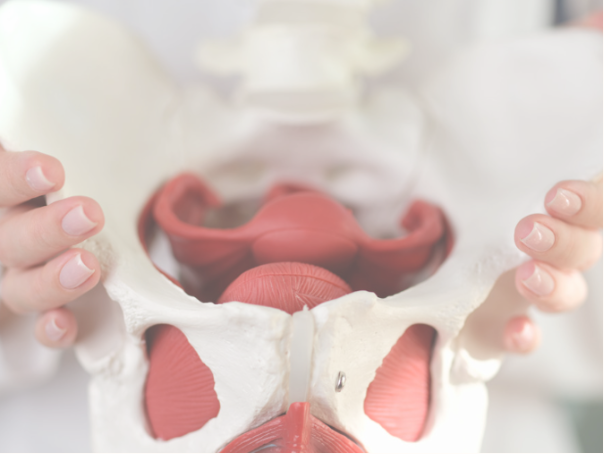
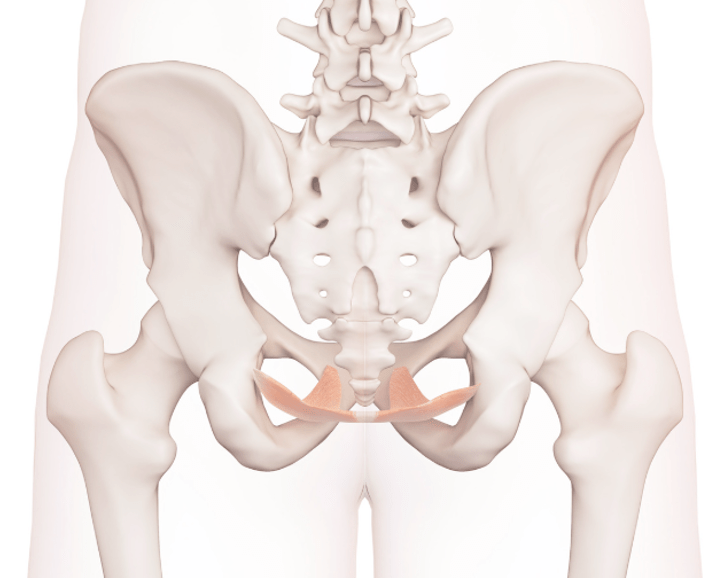
The pelvic floor is a group of muscles (& tendons & ligaments & nerves & bones, oh my)
that cover the bottom and sides of our pelvis. It’s often called the pelvic ‘bowl’ or ‘sling’
that supports, lifts, and protects all of our pelvic organs and their related functions.
OTHER PELVIC FLOOR FUNCTIONS:
- it controls our bladder, bowel, and sexual function
- it’s movement is also coordinated with the diaphragm, which is why breathing mechanics are so important while treating the pelvic floor
- it’s directly connected to abdominal and low back muscles, assisting with stability, balance and posture
- it has fascial connections (a type of connective tissue) that span from the neck, jaw & throat – through & around the pelvic floor – and down to our toes
- tension through the pelvic floor muscles can impact structures (e.g. joints, organs) above and below
- every pelvic floor muscle connects to the tailbone in some way, which can directly impact the function of the spine and SI joints
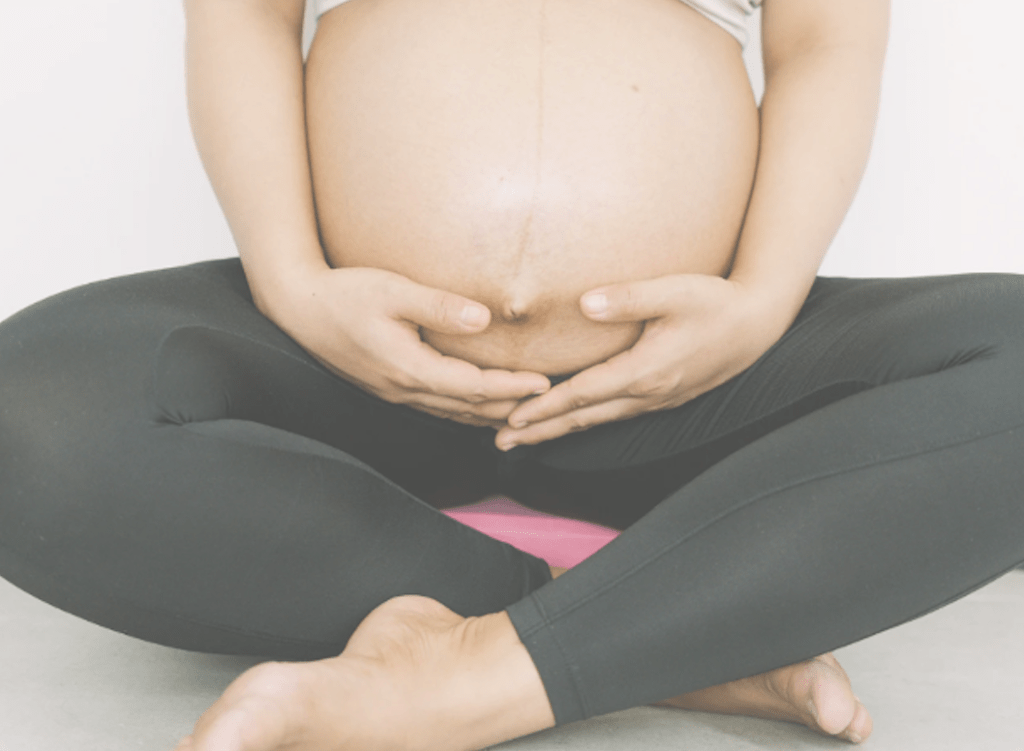
- when we’re pregnant the pelvic floor also has to support, lift, and protect a growing baby – however, it also needs to know how to relax during delivery to get out of the way and let the uterus push baby out (yes, you read that correctly)
- it assists with blood circulation and lymphatic drainage from the lower body
pelvic floor symptoms across the spectrum
LOCALIZED PELVIC FLOOR SYMPTOMS
✓ Low back, hip, SIJ and/or pelvic pain
✓ Bladder leakage, frequency & urgency
✓ Constipation & other GI discomfort
✓ Prolapse
✓ Pelvic pain with exercise or sexual activity
✓ Pelvic floor tension with or without pain that may be influencing other surrounding structures
PREGNANCY & THE PELVIC FLOOR
✓ Hormone shifts increase joint mobility
✓ Growing baby increases joint pressure & bladder pressure
✓ Altered body mechanics & sleep positions
✓ Changes in breathing & digestion
✓ Increased muscle tension from any of the above
✓ Localized swelling can affect joint stiffness
CHRONIC PAIN & THE PELVIC FLOOR
Common issues associated with pelvic floor dysfunction:
✓ Headaches/migraines, neck pain & TMJ
✓ High stress & anxiety
✓ Lack of sleep, poor sleep quality & brain fog
✓ GI dysfunction
✓ Hormone shifts including perimenopause & menopause
✓ Autoimmune disorders
✓ Burnout & overworking
✓ Hypermobility (double-jointed)

What is pelvic floor ‘dysfunction‘?
Simply put – dysfunction refers to some part of a body system that isn’t performing how it ‘normally’ should. In general, it’s a disruption to the normal function of 1 or more body systems that can result in symptoms that impact daily function.
Pelvic floor dysfunction can impact:
- Muscles, joints & ligaments – this can span many joints including the spine, hips, pelvis, ribs & all supporting soft tissue (fascia, nerves, etc.)
- Pelvic & GI organs – surrounding organs can be impacted including bladder, colon, uterus, stomach, lungs & more
- Nervous system – plays a crucial role in communicating between these different systems & is often fueled by stress, trauma & other underlying conditions (e.g. autoimmune)
- Overall – pelvic floor dysfunction can affect a multitude of systems & the root cause can often be difficult to discern. However, alleviating even one symptom can often spill over & help other symptoms too
big picture
The term ‘dysfunction’ is subjective & does not have to be as scary as some can make it sound, but it also should be taken seriously as symptoms often tend to increase if not addressed. Symptoms can span from being very localized and isolated to the pelvic floor all the way to full-body and chronic pain symptoms.
 Empower Pelvic Floor Physical Therapy