Individuals with pelvic floor symptoms often have chronic pain in other regions of the body, and finding interventions for all affected regions consistently makes the most impact. These interventions can include small daily habits to bigger shifts in mindset, but bringing awareness to contributing behaviors is the first step into making a lasting change.
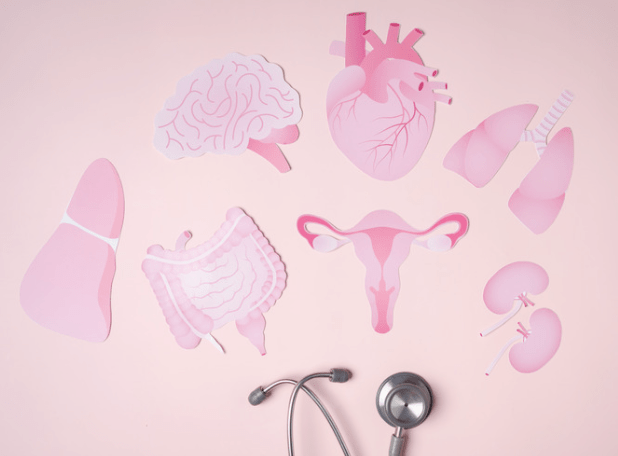
Treatment consistently includes interventions across not only the musculoskeletal system, but also incorporates the nervous system (lots to tackle there!), gastrointestinal, genitourinary, endocrine and even cardiovascular and pulmonary systems. Our body is innately intricate, and our approach to treatment should take all contributing factors into consideration for the most effective symptom management.
chronic pain & the pelvic floor
Common chronic pain issues also associated with pelvic floor dysfunction:
- Headaches/migraines, neck pain & TMJ
- High stress & anxiety
- Lack of sleep, poor sleep quality & brain fog
- GI dysfunction
- Hormone shifts including perimenopause & menopause
- Autoimmune disorders
- Burnout & overworking
- Hypermobility (double-jointed)
- Many, many more




Chronic pain & the nervous system
The nervous system is innately complex, and we can only begin to understand how intricately it influences every single thing we do – all day and night long.
From a physical therapy standpoint, the nervous system begins to centrally sensitize with chronic pain – in other words, our pain begins to spread as other nerves from ‘neighboring’ body parts begin to check-in and get involved. Some pain science explanations actually use the term ‘nosy neighbors’ which paints a really accurate and helpful picture!
I like to think about this phenomenon as an extremely well-intentioned but OVERLY protective response our body creates for safety. I think of it like a little kid that wants to help out so badly but has no idea what they’re doing and actually make things worse. In some cases, the body believes if it limits motion it can limit the amount of pain we feel too. However, from PT, we know that a lack of movement is what can increase joint stiffness and pain levels.
In essence, we have to educate our body and gently prove to it that we know best what it really needs to function properly and manage symptoms. We have to show the body and it’s protective mechanisms through graded exposure to activities that were once painful. It really is like rewiring the brain to create non-painful movement pathways. We work on this at the same time we use manual therapy and therapeutic exercise to calm the body from the top down and from the bottom up.
 Empower Pelvic Floor Physical Therapy